Structural engineering firms are under the same pressure that affects every discipline in AEC: more projects, tighter schedules, and a growing document burden that senior engineers have to absorb before they can make technical decisions. The question is whether AI can meaningfully help — or whether it is just another tool that adds work without reducing it.
The answer, for structural teams that have deployed domain-specific AI, is that it helps in three specific areas: drawing review, submittal processing, and specification research. Each area has a different shape of time savings, and understanding where the gains actually come from is more useful than the generic claim that AI makes engineering faster.
Drawing Review: First-Pass Before Senior Sign-Off
Structural drawing review is a quality-control function that protects projects from field problems. Missing connection details, incomplete schedules, coordination conflicts with architectural and MEP drawings — these issues generate RFIs and rework when they escape review. But catching them consistently requires time that senior structural engineers do not always have.
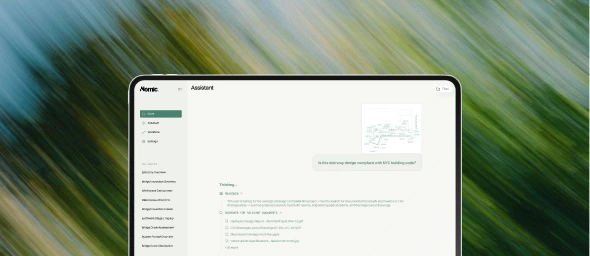
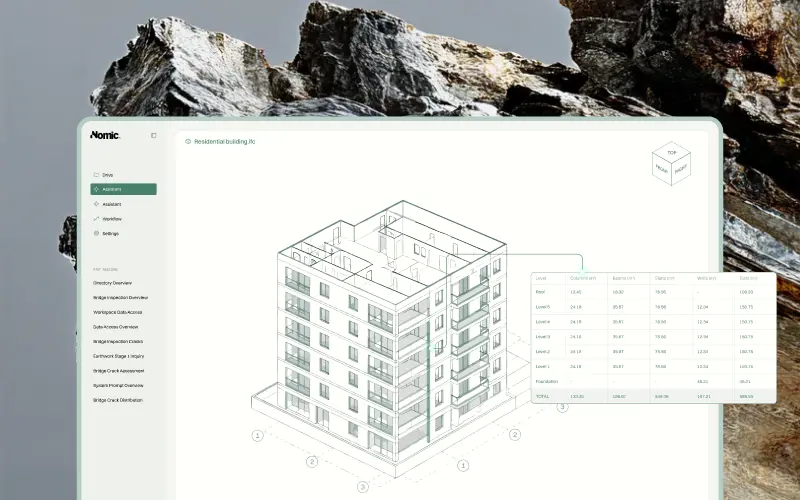
AI drawing review tools like Nomic’s AI for structural engineering work by reading drawing content directly from CAD-derived PDFs and organizing findings by discipline, severity, and location. The structural PE still reviews — the AI creates the first-pass issue queue that makes that review faster and more complete.
For structural teams, the most valuable findings tend to cluster around three categories: completeness checks (missing member sizes, unresolved connection details, unreferenced schedules), cross-discipline coordination (structural elements conflicting with MEP routing or architectural dimensions), and drawing standards deviations (notation inconsistencies, weld symbol errors, reinforcing designation conventions).
Firms that have implemented first-pass AI review typically report that senior engineers spend 30-50% less time on routine QA checks and more time on structural judgment calls that require professional expertise. The hours do not disappear — they shift to where structural PE time creates the most value.
Submittal Review: Shop Drawings Are the High-Volume Problem
Steel fabrication shop drawings, concrete mix designs, post-installed anchor certifications, and connection details — structural engineers review a high volume of submittals on complex projects, and each one requires careful comparison against the contract structural drawings and specifications.
The manual process is time-consuming in a specific way: an engineer opens the shop drawing, then opens the contract structural drawing, then opens the relevant specification section, and compares all three. That comparison — finding the right documents, navigating to the right pages, and making the comparison — is where most of the time goes, not in the actual engineering judgment.
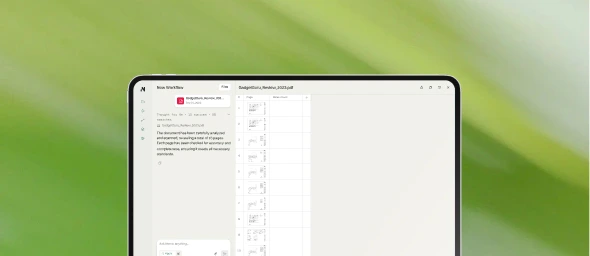
AI submittal review tools can compress the comparison step by cross-referencing shop drawing content against the indexed structural specifications and contract drawings and returning a cited first-pass findings list. The structural engineer still reviews — but starts from a document that shows the differences rather than having to find them manually.
This matters most on high-submittal-volume projects where structural backlogs grow during peak construction phases and delay approvals that contractors need to maintain schedule.
Specification Research: Finding What You Specified on Past Projects
Structural specification writing is a skill that improves with experience — specifically, with exposure to how similar conditions have been specified on past projects. The problem is that most of that experience is locked in project specification archives that are difficult to search.
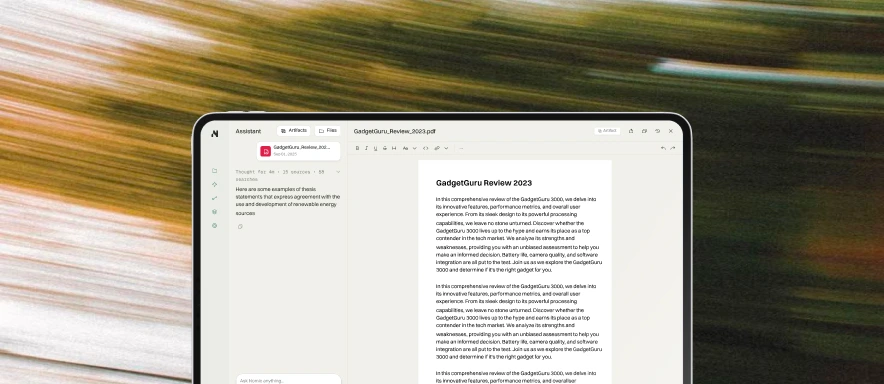
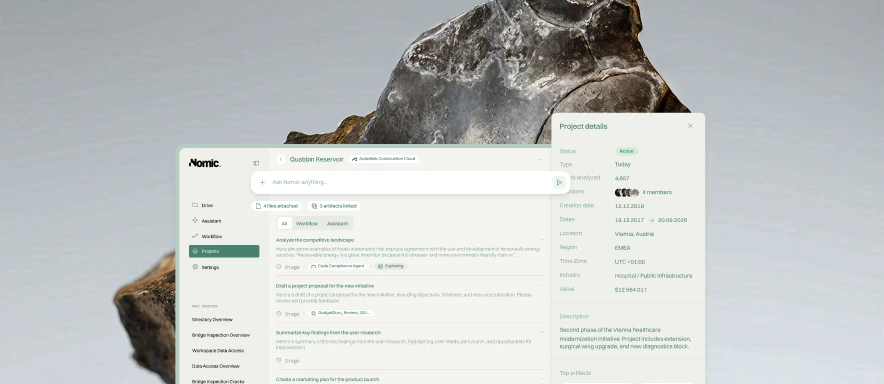
AI specification search for structural engineering makes the firm’s past project spec archive searchable by content: material grade, connection type, testing requirement, CSI section. A structural engineer drafting a new spec section can ask the system how the firm specified a particular system on comparable past projects and get cited results rather than relying on memory or colleague availability.
For firms with large project libraries, this compounds in value over time. Every new project that gets indexed makes the next spec-writing task easier. The archive becomes a practical resource rather than a compliance obligation.
Where to Start
Structural firms that are evaluating AI typically start with the workflow that has the most visible bottleneck. For many firms, that is submittal review — the volume is high, the process is well-defined, and the time savings are immediate and measurable. Drawing review comes second because it requires slightly more setup to configure firm-specific standards. Specification search tends to follow once teams have established the habit of searching the indexed library.
The common thread is that AI tools that understand structural engineering context — the specific document types, the vocabulary, the standards references — produce better results than general-purpose tools. Domain specificity is not a marketing claim for structural teams; it is the reason the findings are actionable rather than generic.