Submittal review is one of the most repetitive yet consequential workflows in construction. For every major building component — from structural steel to mechanical equipment to finish materials — a contractor submits product data, shop drawings, or samples for the design team's review and approval. On a large project, this means thousands of individual submittals, each requiring comparison against the drawings, specifications, and applicable standards.
The stakes are high. A missed deviation in a submittal can lead to incorrect materials being installed, requiring costly rework or, in the worst case, compromising building performance. Yet the review process itself is largely manual — a designer opens each submittal, cross-references the specification section, compares the submitted product data against the specified requirements, and writes review comments.
AI agents are now capable of performing the first-pass review that consumes most of the time in this workflow. Here are five ways this technology is changing submittal review.
1. Automated Cross-Referencing Against Specifications
The core of submittal review is comparing what was submitted against what was specified. For a mechanical equipment submittal, this means checking that the submitted unit matches the specified capacity, efficiency rating, electrical characteristics, dimensions, and dozens of other parameters.
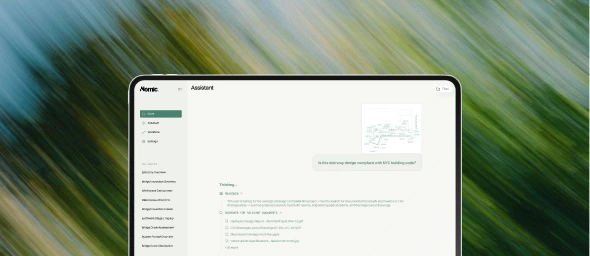
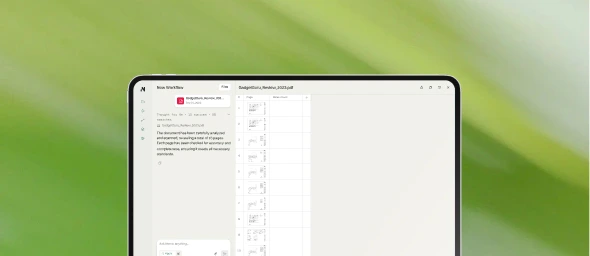
AI agents can parse both the submittal documents and the relevant specification sections, extract the key parameters from each, and flag discrepancies. A reviewer no longer needs to manually locate Section 23 05 00 in the project specifications and cross-check each line item — the AI surfaces the relevant requirements and highlights where the submittal deviates.
2. Drawing Coordination Checks
Submittals do not exist in isolation — they need to be coordinated with the design drawings. A structural steel shop drawing must match the member sizes, connections, and geometry shown in the structural drawings. A ductwork shop drawing must fit within the ceiling cavity dimensions shown in the architectural sections.
With multimodal AI that can process both the submitted shop drawings and the design drawings, coordination checks that previously required flipping between multiple documents can be automated. The system identifies the relevant drawing sheets, compares the submitted details, and flags inconsistencies for the reviewer's attention.
3. Deviation Flagging and Risk Assessment
Not all submittal deviations are equal. A paint color that is slightly different from the specified product is a different level of concern than a structural connection detail that differs from the engineered design. AI agents can assess the significance of identified deviations, categorizing them by risk level and helping reviewers prioritize their attention.
This risk-based approach means that critical deviations get immediate attention, while minor variations can be batched for efficient review. The result is faster turnaround on high-risk items without sacrificing thoroughness on the rest.
4. Precedent-Based Review
Many submittals on a project are similar — the same type of product in different sizes or configurations, or the same manufacturer's data repackaged for different building areas. AI agents can recognize these patterns and apply consistent review criteria across related submittals, reducing the likelihood that a deviation caught in one submittal is missed in another.
Over time, the system builds a knowledge base of the project's submittal decisions, making subsequent reviews faster and more consistent. Review comments and decisions from earlier submittals inform the review of later ones.
5. Status Tracking and Workflow Management
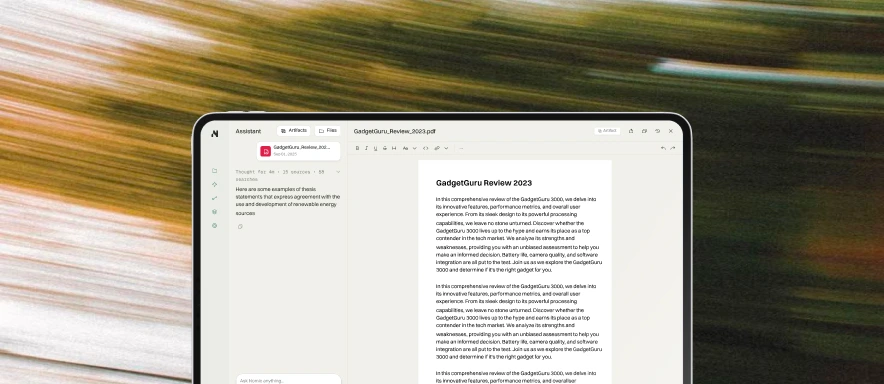
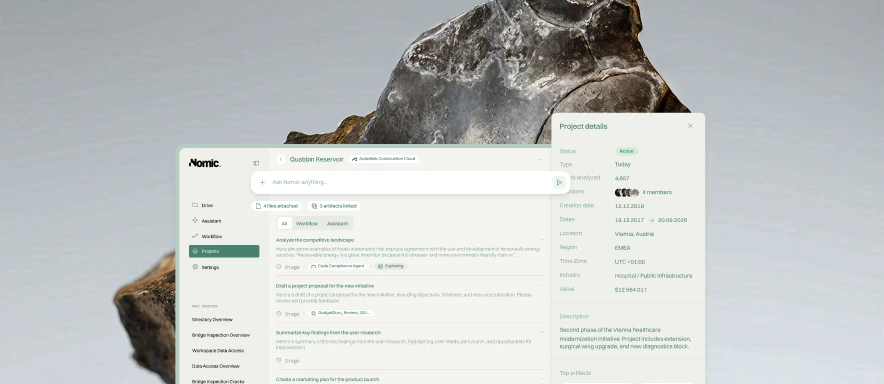
Beyond the technical review itself, managing the submittal workflow — tracking which submittals have been received, which are under review, which need resubmission, and which are approved — is a significant administrative burden. AI agents can automate this tracking, generating status reports, sending notifications for overdue reviews, and maintaining a clear record of all review actions and decisions.
The Human Element
AI-powered submittal review does not eliminate the need for professional judgment. Complex or non-standard submittals will continue to require experienced reviewers who understand the design intent and can evaluate substitutions or deviations on their merits. What AI does is handle the routine first-pass review that currently consumes most of a reviewer's time, freeing them to focus their expertise where it adds the most value.
The result is faster turnaround times, more consistent reviews, and fewer errors reaching the field — outcomes that benefit everyone on the project team.